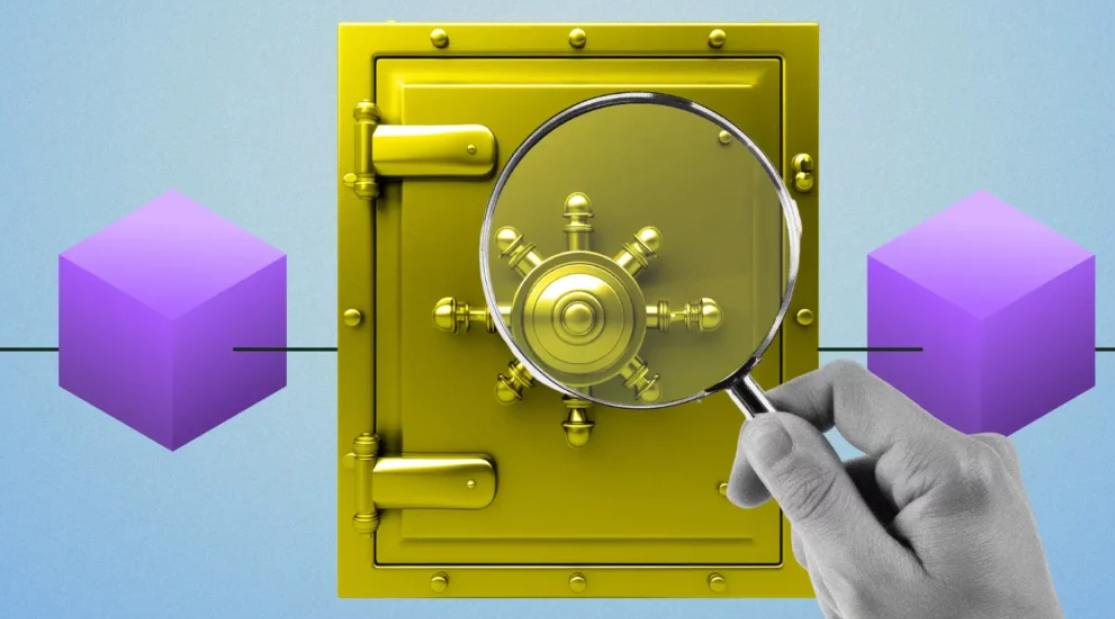
What Is Proof of Reserves in Crypto?
Proof of reserves in crypto is a verification process in which a custodian demonstrates that customer holdings exist and exceed reported balances through cryptographic and audit methods. It relies on independent testing, asset-liability reconciliation, and data integrity to improve transparency and risk disclosure. While not a guarantee of solvency, PoR offers a formal framework for ongoing verification and clear disclosure of methodology, scope, and limitations, inviting stakeholders to assess the platform’s readiness for scrutiny and accountability.
What Is Proof of Reserves in Crypto?
Proof of reserves in crypto refers to a verification process in which a custodian or exchange proves, via cryptographic methods, that it holds user funds equal to or greater than the balances it reports.
This mechanism supports proof of reserves, crypto transparency, and informed risk disclosure, guiding stakeholders through audit methodologies with objectivity, clarity, and a freedom-focused, formal evaluation of safety and integrity.
How PoR Is Tested and Audited
Independent verification of proof-of-reserves procedures hinges on rigorous testing and structured auditing. Audits assess asset-liability reconciliation, cryptographic proofs, and data integrity across systems, with independence from internal controls. The process emphasizes risk management and regulatory compliance, documenting methodologies, scope, and limitations. Findings inform disclosures, incident response plans, and ongoing monitoring, supporting transparent, verifiable assurance for informed, freedom-seeking stakeholders.
What PoR Does: and Doesn’t: Guarantee
PoR provides a framework for assessing a crypto platform’s claimed asset holdings relative to its liabilities, but it does not guarantee comprehensive safety or operational solvency.
The analysis highlights risk factors that can affect reliability, including model assumptions and timing.
Disclosure gaps may obscure contingent obligations or off-balance-sheet positions, underscoring limits to certainty and the need for ongoing transparency.
How to Evaluate a Platform’s PoR Readiness
Assessing a platform’s PoR readiness requires a structured approach that examines the scope, methodology, and disclosures of the PoR process. The evaluation centers on supply transparency and risk assessment, ensuring verifiability, independence, and ongoing monitoring.
Stakeholders should consider auditor qualifications, data integrity, cross-checks, and frequency of attestations, aligning disclosures with material risks and operational realities for credible assurance.
Frequently Asked Questions
Can Por Prove Liabilities Beyond On-Chain Assets?
Por can potentially prove liabilities beyond on-chain assets through external attestations and liabilities reconciliation, but limitations exist; disclaimer reasoning suggests cautious interpretation, as off-chain data and guarantees affect reliability, while market adoption hinges on standardized, auditable frameworks and transparent reporting.
How Often Should Por Be Re-Audited?
PORes should be re-audited annually. Example: a mid-size exchange demonstrates reliability versus transparency trade-offs; auditor independence versus cost affects findings. The process illustrates how ongoing verification supports trust, while balancing cost with ongoing reliability for freedom-minded stakeholders.
Does Por Cover Off-Chain Customer Funds?
The question: does por cover off-chain customer funds? No, proof-of-reserves typically addresses on-chain balances; off-chain accounting may be incomplete, raising legal implications and necessitating independent audits to clarify custody, access, and customer protections beyond on-chain data.
What Cryptographic Methods Power Por Proofs?
A librarian compares shelves to a vault, illustrating cryptographic proofs powering PoR. In crypto auditing, Merkle trees and zk-SNARKs enable verifiable balance proofs; auditors assess liability scope while maintaining privacy through cryptographic commitments.
Are Por Results Legally Binding Guarantees?
POR results are not legally binding guarantees. They provide assurance regarding reserve holdings but lack enforceable obligations. Two word discussion idea, two word discussion idea, and the analysis remains imperfect without regulatory codification or external audit recourse.
Conclusion
Proof of reserves offers a structured, cryptographic approach to verifying that a custodian’s reported customer holdings are backed by actual assets. It does not guarantee solvency, liquidity, or ongoing safety, but it provides independent validation and transparency. A notable statistic is that, as of recent audits, fewer than half of major exchanges publish third-party PoR attestations, underscoring the variability in readiness. Stakeholders should assess scope, methodology, and data integrity when evaluating PoR reports.